What If My Recipient Dislikes Scotch Gifts? Thoughtful Alternatives to Consider
The pressure of gift-giving is universal, often carrying a misplaced sense that a high-end bottle of liquor—especially something prestigious like scotch—is the gold standard for showing affection or appreciation. We pour our hopes and intentions into these bottles, hoping they will communicate "I care" louder than words ever could. But what happens when that assumption fails? What if your recipient simply doesn't appreciate the smoky peat notes, finds whiskey too heavy, or perhaps just prefers a perfectly brewed cup of tea? If you’ve found yourself staring at a beautiful bottle of amber liquid and suddenly faced with the question, what if my recipient dislikes scotch gifts, take a deep breath. You are not alone, and more importantly, there are sophisticated, thoughtful alternatives that prove your thoughtfulness far outweighs any single brand or category of alcohol.
Understanding the Gift-Giving Dilemma
The modern gifting world is saturated with luxury items, making it incredibly easy to fall into the trap of buying what you think looks expensive, rather than what they genuinely want or enjoy. The dilemma isn't about bad taste; it's about misaligned expectations and a lack of granular knowledge regarding individual preferences. A gift should feel like an extension of your relationship—something that says, "I know you."
The Risk of Assumption
Relying on general assumptions is perhaps the most common mistake in gifting. We assume that because a recipient enjoys one type of treat, they will enjoy all similar treats. This is akin to assuming everyone who loves spicy food also craves deep-fried junk—both are flavorful, but vastly different experiences! The problem with alcohol gifts is that taste is intensely personal and can be influenced by mood, meal pairings, even the season. A recipient might love a robust smoky scotch on a chilly evening but find it overwhelming and medicinal in the bright heat of summer.
Decoding Tastes: Reading Between the Lines
Before leaping to an alternative gift (or rather, before abandoning all ideas of alcohol altogether), spend some time being a detective. Instead of focusing solely on their liquor cabinet, consider their overall lifestyle. Do they cook often? Are they avid readers? Do they prioritize relaxation or adventure? Observing these patterns gives you far better intel than simply guessing based on expensive bottles.
- Observe purchases: What niche items do they buy for themselves (coffee beans, unique spices, specialized tools)?
- Listen to conversations: Have they mentioned wanting to try a specific cuisine or activity?
- Consider the context: Is this gift for a milestone celebration, or just a casual thank you? The occasion drastically changes the appropriate value and type of gift.
Expanding Your Scope: Alternatives That Don't Involve Peat Smoke
If your research confirms that liquor is definitely off the table—or at least not scotch—the wonderful thing about being creative is that Christmas Gifts for Dad "gift" no longer has to mean a bottle of booze. We must broaden our definition of luxury and thoughtfulness.
Exploring Non-Alcoholic Indulgences
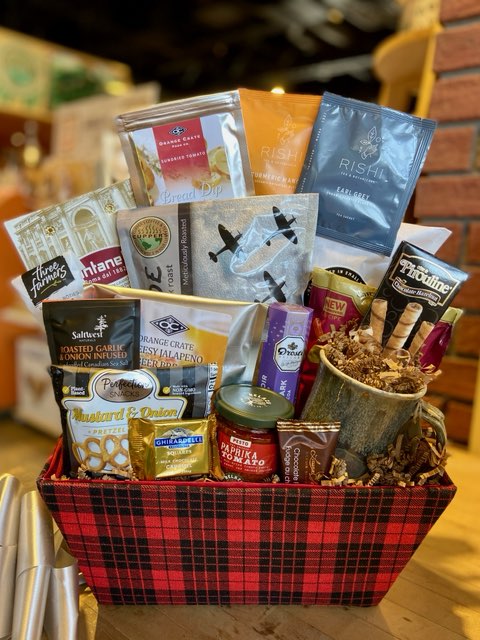
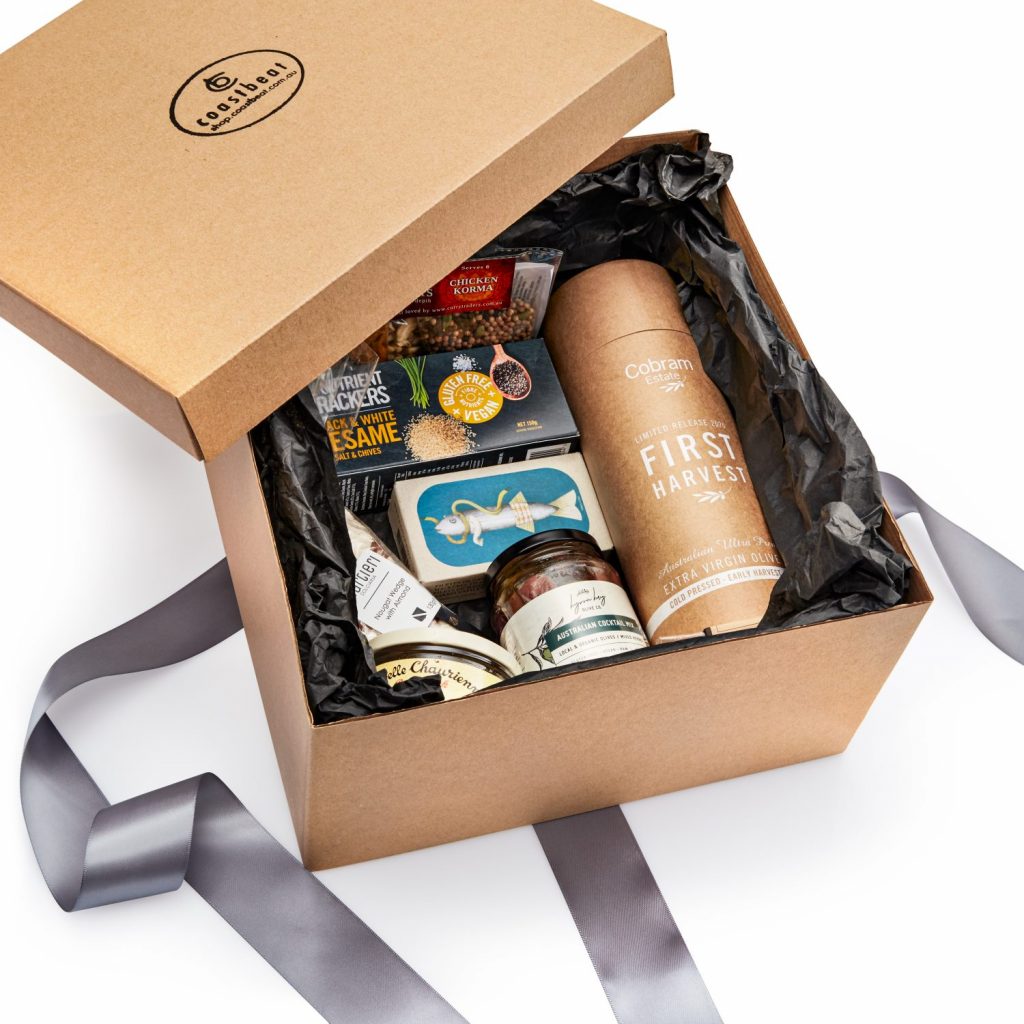
When dealing with what if my recipient dislikes scotch gifts, turning to non-alcoholic options is the safest, most guaranteed way to ensure they appreciate the effort. However, these alternatives don't have to be boring. Think high quality, gourmet experiences that feel luxurious:
- Artisanal Coffee or Tea: Skip generic brands and opt for small-batch beans sourced from specific regions, or rare, single-estate loose leaf teas (like ceremonial grade matcha).
- Gourmet Edibles: Curate a tasting box of high-end chocolates, unique olive oils, specialty vinegars, or exotic spices. This allows the recipient to enjoy the gift over time, rather than needing it all immediately.
- High-Quality Skincare/Aromatherapy: A luxurious candle set, a beautiful diffuser, or bath salts elevate their daily routine and feel incredibly thoughtful.
Shifting Focus: The World of Flavor Profiles
If you want to stick with alcoholic beverages but need to pivot away from the smoky intensity of scotch, think about profiles rather than categories. Every spirit has a distinct character.
- Rye Whiskey: If they enjoy complexity and spice without the deep peat smoke, rye is an excellent alternative. It offers sharp notes of pepper, cinnamon, and baking spices that are bright and assertive.
- Aged Rum: Tropical or dark rums offer caramel, vanilla, and molasses undertones—a completely different emotional palette than scotch’s smoky drama.
- Japanese Whisky: These often present a more refined, subtle profile, leaning into notes of rice, floral elements, or gentle wood smoke rather than peat fire.
The Experience Gift: Making Memories the Real Luxury
Perhaps the most sophisticated pivot when considering what if my recipient dislikes scotch gifts is to stop thinking about physical objects altogether and start gifting experiences. These gifts are inherently personal, memorable, and often require no liquid consumption whatsoever.
Curating Shared Moments
A gift of an experience signals that you value time together or their personal growth. Consider:
- Tickets: To a museum exhibit they’ve mentioned wanting to see, a local opera performance, or a concert by a band they love.
- Classes: A private cooking class focused on regional cuisine (e.g., Italian pasta making), a mixology course (even if they don't drink spirits, the skill is fun!), or a pottery workshop.
- Outdoor Adventures: Passes to a botanical garden, tickets for a local hiking trail guide, or a reservation at a beautiful picnic spot.
As one renowned gift expert noted, "The best gifts are those that allow someone to discover something new about themselves." This sentiment perfectly captures the spirit of experiential giving. Do you really want them to open a box full of amber liquid, or do you want them to feel the thrill of discovery?
Curating the Perfect Thought: Making Your Selection Count
Ultimately, successful gifting is not an act of perfect knowledge; it’s an act of empathetic effort. The underlying message must be one of care, regardless of whether that gift is a bottle of $100 scotch or a box of ethically sourced tea bags. When in doubt, remember the golden rule: subtlety trumps spectacle.
Instead of aiming for the item that screams "expensive," aim for the item that whispers "I pay attention to you." By adopting this mindset—by treating gifting like an art form rooted in observation and empathy—you move past the fear of disappointing tastes. You realize that thoughtfulness, far more than the ABV content or the vintage year, is what truly makes a gift shine. How can you make your Gift Basket next gesture feel as effortlessly wonderful as if it were simply the right choice from the start?