The Stress-Free Guide to Father's Day Gift Planning (Save Time & Win Hearts)
If you are reading this, chances are your brain is already running a highly stressed simulation of "What if I run out of ideas?" and "How do I make this look effortlessly perfect when I only have three weekends to plan it?" We get it. Father's Day gifts feel less like celebrations and more like elaborate logistical puzzles that require secret knowledge about the recipient—knowledge you don’t possess, especially at 8 PM on a Tuesday.
The pressure is immense: You want him to feel genuinely seen, appreciated, and spoiled rotten. But let’s be real for a minute. Between work, life admin, laundry cycles, and remembering that crucial dental appointment, the last thing your brain wants to dedicate energy to is gift market research. Your goal isn't to find the most expensive item; it's to find the most thoughtful item—and thoughtfulness shouldn't require an archaeological dig into his forgotten hobbies.
This piece is your emergency toolkit. We’re not going to give you a list of 50 things to buy. Instead, we’re giving you a framework for planning that saves time and elevates the perceived effort from "I bought this online" to "You know him so well."
Shifting Focus: From Object Acquisition to Intentionality
The biggest trap gift-givers fall into is equating monetary value with emotional impact. We think, "If I spend more money, it must mean I care more." This is a fallacy that leads straight to stress and credit card statements you regret later.
True thoughtfulness operates like an echo: it reflects the recipient's personality back at them.
Instead of asking, “What should I buy him?” try asking these three questions instead. They are time-savers because BBQ Gift Set they eliminate 90% of generic gift ideas immediately:

- What is a small, non-essential pleasure he currently denies himself? (E.g., an hour of uninterrupted reading, a specific high-end coffee roast, a fancy bottle of bourbon for a Tuesday night.)
- What activity does he complain about needing more time for? (E.g., "I wish I had more time to work on the grill," or "I need something simple for my morning walk.")
- Who in his life is not helping him enough with X? (This opens up gift categories like 'The Spa Day for Dads' or 'Manicure/Grooming Kits').
Anecdote Moment: I once knew a friend whose father was complaining about having nothing to do on weekends. Everyone suggested tickets to sports games or expensive gadgets. Instead, my friend remembered that the dad spent hours fixing his old record player and only had the specialized tools (and patience) for it. She didn't buy him a new gadget; she found a niche collection of vintage repair parts from an online forum—a gift that cost almost nothing but solved a specific, deeply personal problem. The emotional return far exceeded any fancy hamper purchase.
Three Strategic Pillars to Cut Planning Time in Half
When time is the enemy, you need systems, not inspiration boards. Adopt one or two of these strategic pillars to make the planning Boutique Gift Collection process feel methodical and effortless.
1. The Delegation Strategy (The "Helper" Method)
You are not a gift-buying machine working solo. Leverage your network. This doesn't mean dumping the task on someone else; it means crowdsourcing insight.
- Targeted Intel Gathering: Instead of asking, "What should I get him?" ask three different people (a sister, his close friend, and a co-worker) these specific prompts:
- "When was the last time he laughed until he cried?" (This points to experiences.)
- "What is one thing he always talks about needing but never buys for himself?" (Points to hobbies/needs.)
- "If money were no object, what weekend luxury would he splurge on?" (Sets a budget ceiling and aspirational tone.)
2. The Curation Strategy (The "Experience Hamper")
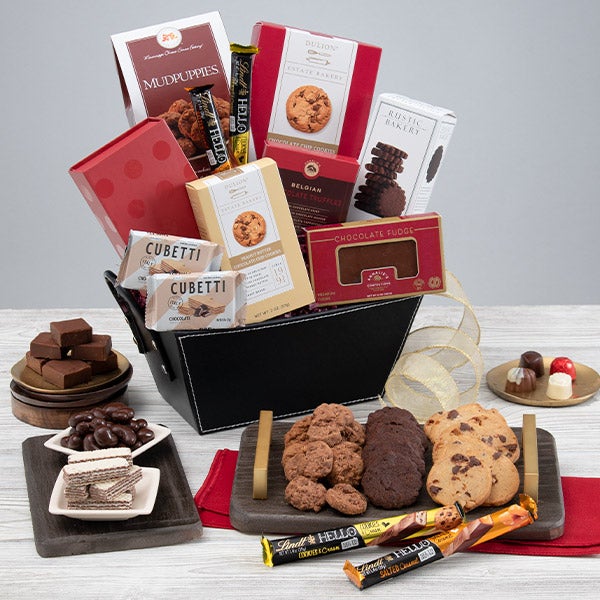
Since you're focusing on the curated gift experience—the hamper—you can save enormous time by not buying individual items. Instead, buy themed collections or use online services that compile them for you.
A pre-curated box is a powerful illusion of deep thought with minimal actual effort. Pick a theme (e.g., "The Weekend Woodsman," "Midnight Movie Night," "Craft Beer Connoisseur") and then find 4-6 items that fit the narrative, rather than searching for one single perfect item.
Time-Saving Hamper Hacks:
- Focus on consumables. Food, drink, and scent-based kits are always appreciated and require zero storage space after use (unlike gadgets).
- Use a visual mood board. Before you buy anything, gather 5 Pinterest images or magazine clippings that evoke the feeling of the gift. This keeps your buying process cohesive, even if the items come from five different stores.
3. The "Gift Card Upgrade" Strategy (The Ultimate Safety Net)
If the clock is ticking down to zero and all else fails, do not panic-buy a generic gift card. Instead, upgrade it into an experience credit. This shows effort while providing maximum flexibility for him.
- Instead of: A $100 Amazon Gift Card.
- Try: A $100 voucher to a specific local experience—a brewery tour, a high-end barbershop appointment, or a specific outdoor adventure rental company (like kayaking).
The Last Minute Magic Touch: Making "Ready" Feel Personal
Sometimes the best gift is found in the last 24 hours. If your planning has been chaotic but heartfelt, you can still make it feel brilliant.
The secret here is pairing a simple item with a deeply personalized note or ritual.
For example, if all you have time for is buying him a really nice bottle of olive oil (a basic purchase), don't just wrap it. Write out a recipe card that uses that exact oil and leave it next to the hamper. The recipe card—the addition of human effort—transforms the gift from mere commodity into an invitation.
As Maya Angelou wisely noted, "I've learned that life is most sure when you are in love." While we aren't discussing romance, the sentiment holds: the best gifts come from a place of connection and deep knowledge. Your goal isn't perfection; it's presence.
Beyond the Day Itself
The true gift-giving process—the research, the planning, the thoughtful curation—is actually an act of forethought. By treating this preparation as a fun challenge rather than a high-stakes assignment, you take the pressure off and make the whole experience enjoyable. Remember that his favorite part will be seeing how much time and thought was put into it, not necessarily the item itself. Take deep breaths, use these strategies, and trust your instincts. You’ve got this.